

Proboszcz niedaleko Treblinki
Ks. Wojciech Lemański, proboszcz małej parafii we wsi Jasienica k. Tłuszcza to dziś jedna z czołowych postaci dialogu chrześcijańsko-żydowskiego w Polsce. Ten skromny ksiądz stał się symbolem zaangażowania Kościoła katolickiego na rzecz pamięci o Żydach i judaizmie. Jeszcze kilkanaście lat temu nic tego nie zapowiadało.
„Ani nie jestem Żydem – mówił w jednym z wywiadów – ani moja rodzina nie mieszkała wśród Żydów, nie interesowałem się ich historią. Moja ignorancja była tak duża, że nawet nie wiedziałem, iż w Polsce są zdewastowane cmentarze żydowskie.” Jednak w modlitwie brewiarzowej, którą odmawia codziennie już prawie 30 lat, są słowa, które nie dawały mu spokoju: „«Ujął się za sługą swoim Izraelem, pomny na swe miłosierdzie, jak obiecał ojcom naszym: Abrahamowi i potomstwu jego na wieki». [...] Wierzę w to, że Pan Bóg człowieka prowadzi. Pytałem Go więc: Czego ode mnie chcesz? [...] Przełom nastąpił wraz z ujawnieniem w 2001 r. mordu w Jedwabnem. Pomyślałem wtedy, skoro ta wiadomość tak mną wstrząsnęła, to może właśnie to jest to”.
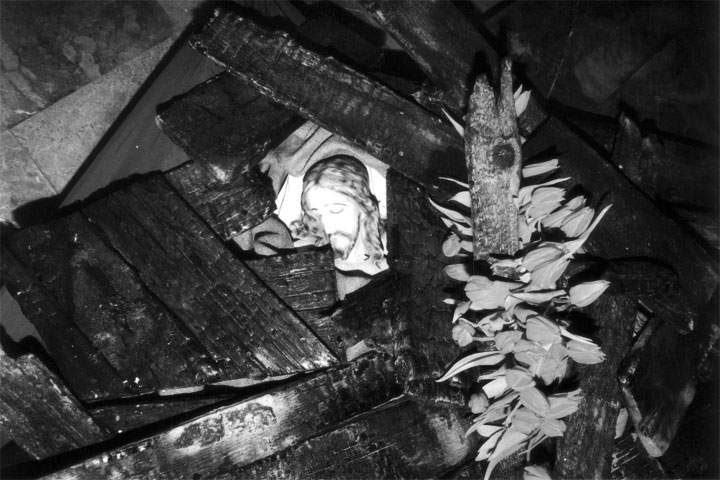
Mało wcześniej znany mord w Jedwabnem, gdzie w 1941 r. w stodole spalono żywcem kilkuset Żydów, wywołał w Polsce gorący spór o rolę, jaką w tej zbrodnii odegrali polscy sąsiedzi zamordowanych. Wiosną 2001 r. podczas najważniejszych dla chrześcijan świąt, będących pamiątką śmierci i zmartwychwstania Chrystusa, ks. Lemański – zgodnie z polską tradycją – przygotował w swojej ówczesnej parafii (w Otwocku pod Warszawą) dekorację grobu Pańskiego. Nawiązywała ona do ważnego wydarzenia – zbrodni w Jedwabnem. Figura Jezusa leżała w zgliszczach spalonej stodoły, obok niej był napis: „Wybaczcie”, a na krzyżu wisiała tabliczka z niedokończonym słowem „Je…”, co można było odczytać i jako „Jezus”, i jako „Jedwabne”.
W tym samym czasie w innym polskim kościele znany ze swych antysemickich przekonań ks. Henryk Jankowski umieścił w wystroju grobu Pańskiego miniaturę zwęglonej stodoły i napis „Żydzi zabili Pana Jezusa i proroków, i nas także prześladowali”. O niegodnej prowokacji ks. Jankowskiego było głośno w Polsce i za granicą. O dekoracji ks. Lemańskiego wiedzieli tylko jego parafianie. Dopiero po kilku tygodniach fotografie otwockiego grobu opublikował miesięcznik WIĘŹ.
W 2002 r. ks. Lemański został współzałożycielem Społecznego Komitetu Pamięci Żydów Otwockich i Karczewskich. Spotkania Komitetu odbywały się w jego domu. Aktywnie włączał się w organizację prac porządkowych na cmentarzu żydowskim, razem z członkami komitetu dźwigał ciężkie kamienie, którymi otoczono teren położonego w lesie otwockiego kirkutu. Każdego roku uczestniczy w otwockich marszach pamięci, które odbywają od 2002 r., zawsze 19 sierpnia – w dniu, kiedy w 1942 r. rozpoczęła się likwidacja otwockiego getta. Chętnie spotyka się z żydowską młodzieżą odwiedzającą Otwock. Zachęcił też proboszcza z Sobień Jezior do usunięcia kilkuset żydowskich macew, którymi hitlerowcy w czasie wojny, w 1942 r., wyłożyli teren wokół miejscowej plebanii, zajętej na siedzibę Gestapo. Macewy zostały przeniesione przez wolontariuszy na teren dawnego cmentarza żydowskiego.
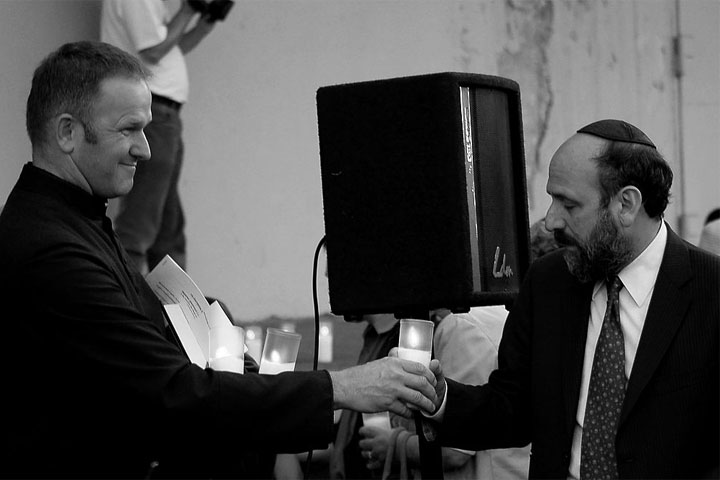
Ks. Lemański przed kościołem w Jasienicy wzniósł pomnik z innych nieuszanowanych macew – symboliczną mogiłę dzieci zamordowanych przez Herodów. – Ten pomnik jest również próbą oddania hołdu zamordowanym podczas ostatniej wojny dzieciom narodu żydowskiego – mówi. Pomnik został odsłonięty 6 sierpnia 2011 po Mszy świętej w intencji Janusza Korczaka i dzieci z jego sierocińca zamordowanych w Treblince. – Po Mszy modliliśmy się pod pomnikiem, o którego powstaniu parafianie zadecydowali w ogłoszonym przeze mnie referendum.
Ks. Lemański należy do Polskiej Rady Chrześcijan i Żydów, w której imieniu jeździ dziś po Polsce, uczestnicząc w wielu inicjatywach na rzecz dialogu chrześcijańsko-żydowskiego i pamięci o polskich Żydach.
W uznaniu swoich działań otrzymał z rąk prezydenta Polski Lecha Kaczyńskiego, w 65. rocznicę powstania w getcie warszawskim, wysokie odznaczenie państwowe – Krzyż Kawalerski Orderu Odrodzenia Polski.
W każdą ostatnią sobotę miesiąca ks. Wojciech jeździ do obozu zagłady w Treblince, żeby się modlić w intencji ofiar. W tej fabryce śmierci Niemcy wymordowali w ciągu kilkunastu miesięcy ok. 800 tys. osób, w tym prawie wszystkich Żydów z warszawskiego getta. „Jestem – tłumaczy – kapłanem diecezji warszawsko-praskiej. [...] Moja obecność tutaj to wyraz troski o pamięć o tych, którzy mieszkali w tutejszych miastach i miasteczkach, współtworzyli je, a w tamte straszliwe miesiące zostali zamordowani w Treblince”. I dodaje: „Jestem proboszczem stosunkowo niedaleko od Treblinki, więc uznałem, że mogę podjąć zobowiązanie, by przyjeżdżać tu systematycznie, każdego miesiąca i zapraszam wszystkich, którzy też poczują się do tego powołani. [...] Gdybym w tej chwili zrezygnował z tej powinności pamięci kultywowanej przeze mnie na różne sposoby – wyjaśnia – poczułbym się niewierny Bogu i Jego głosowi we mnie, pozbawiony tego, co jest esencją mojego istnienia. To by było jak porzucenie żony, której się ślubowało być wiernym. Oczywiście można po tym żyć, ale w człowieku coś pęka. Niewierność powołaniu zawsze jest bólem”.
Not Far from Treblinka, a Pastor
Father Wojciech Lemański, the pastor of the small parish in the village of Jasienica near Tłuszcz, is today one of the leading figures in the Christian-Jewish dialogue in Poland. This modest priest has become a symbol of the Catholic Church’s commitment to the remembrance of the Jews and Judaism, a development that could hardly have been foreseen even a dozen years ago.
“I’m not a Jew,” he told an interviewer, “my family did not live among Jews, and I took no interest in their history. My ignorance was so great that I did not even know that there were neglected Jewish cemeteries in Poland.” However, the breviary that he has now recited for almost thirty years contains words that kept nagging at him: “He has helped Israel his servant, remembering his mercy, according to his promise to our fathers, to Abraham and to his descendants forever.” He declares: “I believe that the Lord guides people. Therefore I asked him: What do you want of me?” He recalls that “the turning point came with the revelation in 2001 of the slaughter in Jedwabne. I wondered then, because the news came as such a shock to me, whether that might be it.”
The previously little known killing in Jedwabne, where several hundred Jews were burned alive in a barn in 1941, sparked a bitter dispute in Poland over the role that the victims’ Polish neighbors played in the atrocity. In the spring of 2001, during the most important Christian feast—the commemoration of the death and resurrection of Christ—Lemański followed the Polish tradition of preparing a decorated sepulcher of the Lord at the parish where he then served, in Otwock outside Warsaw. The sepulcher alluded to an important current event—the atrocity in Jedwabne. The figure of Jesus lay in the burned-out ruins of a barn, and next to it was the inscription: “Forgive.” On the cross hung a sign with the incomplete word “Je...,” which could be read as either “Jesus” or “Jedwabne.”
At the same time, in a different Polish church known for an antisemitic slant, Father Henry Jankowski put up a decorated sepulcher featuring a charred miniature barn with the inscription, “The Jews killed Jesus and the prophets, and they persecuted us as well.” Jankowski’s provocative low blow became notorious in Poland and abroad. Father Lemański’s parishioners were the only ones who knew about his decorations. Not until several weeks later did the monthly magazine Więź publish photographs of the Otwock sepulcher.
In 2002, Lemański was one of the founders of the Citizens’ Committee for the Remembrance of the Jews of Otwock and Karczew. The Committee met in his home. He took an active part in organizing the cleaning up of the Jewish cemetery and joined other Committee members in carrying the heavy boundary stones placed around the graveyard in the woods near Otwock. Each year he joins the memorial march held since 2002 on August 19, the day when the liquidation of the local ghetto began in 1942.
He meets with Jewish young people who visit Otwock. He talked the vicar of Sobieie Jeziory into removing several hundred matzevot (Jewish gravestones) that the Nazis used in 1942 to pave the area around the local rectory, which they took over for use as Gestapo headquarters during the war. Volunteers moved the matzevot back to the old Jewish cemetery.
In front of the church in Jasienica, Lemański used other profaned matzevot to erect a symbolic grave for the children murdered by various Herods. “This monument is also an attempt to pay homage to the children of the Jewish nation murdered during the last war,” he says. It was unveiled on August 6, 2011, after a Mass for the intention of Janusz Korczak and the children from his orphanage who were murdered in Treblinka. “After Mass we prayed before the monument, the raising of which was approved by the parishioners in a referendum I organized.”
Father Lemański belongs to the Polish Council of Christians and Jews and travels around the country in the name of the Council, taking part in initiatives for Christian-Jewish dialogue and the remembrance of the Polish Jews.
In recognition of his work, he received a high state order, the Knight’s Cross of the Order of Poland Reborn, from Polish President Lech Kaczyński on the 65th anniversary of the uprising in the Warsaw ghetto.
On the last Saturday of each month, Lemański travels to the extermination camp in Treblinka to pray for the intention of the victims. Over the course of little more than a year, the Germans murdered about 800,000 people, including almost all the Jews from the Warsaw ghetto, in this death factory. “I am a priest of the Warsaw-Praga diocese,” he explains. “My presence here is an expression of concern over the remembrance of those who lived in the cities and towns here, who helped build them, and who were murdered in Treblinka in those terrible months.” He adds: “I am a pastor not far away from Treblinka and so I felt that I could take up the obligation to travel here systematically, each month. I issue an invitation to all who feel called to do so: Join me.” He explains: “If I were to renounce at this moment the imperative of remembrance that I have cultivated in various ways, I would feel unfaithful to God and His voice within me, deprived of something that is the essence of my existence. That would be like abandoning the wife to whom one had vowed faithfulness. Of course one can go on living afterward, but something is broken inside. Unfaithfulness to a vocation is always painful.