

Opowieści nieobecnych
Wędrując uliczkami Będzina, można ulec wrażeniu, że czas stanął w miejscu. Do ścian starych kamienic nadal przyklejone są kuczki – symboliczne szałasy budowane na czas święta Sukkot przez pobożnych Żydów. We framugach drzwi co krok można trafić na ślad po mezuzie, a w balustrady balkonów wkomponowany jest kształt menory.
Niegdyś Będzin nazywano Jerozolimą Zagłębia. – Przed wojną Będzin był trzecim co do wielkości skupiskiem Żydów na południu Polski – opowiada Karolina Jakoweńko, przewodniczka po Śląsku i prezes Fundacji Brama Cukermana. – W Krakowie było 60 tys. Żydów, w Lublinie 40 tys., a w niewielkim Będzinie prawie 30 tys., co stanowiło połowę mieszkańców miasta. Po wojnie wróciło około tysiąca, ale szybko zaczęli emigrować i po Marcu ’68 nie został nikt.
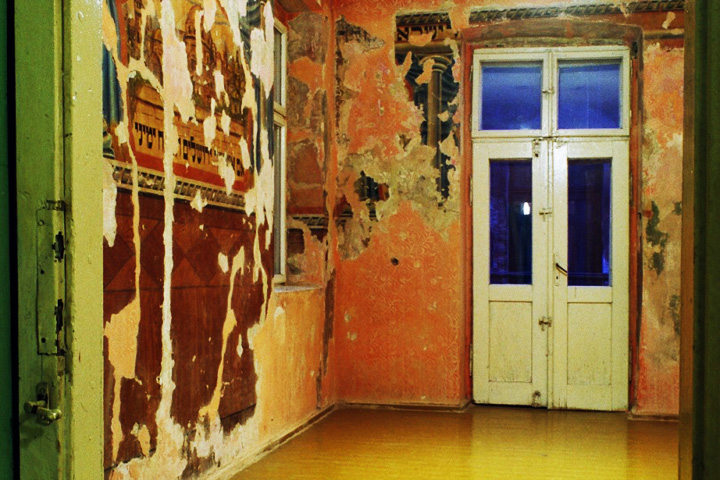
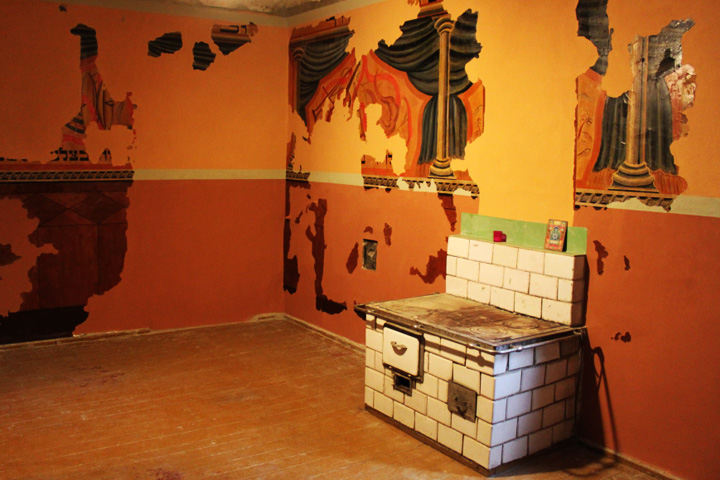
Zniknął ślad po synagodze spalonej przez Niemców we wrześniu 1939 r., słuch zaginął o 80 domach modlitwy, które funkcjonowały w Będzinie przed wojną. Pinkas Bendin – księga pamięci będzińskich Żydów spisana w latach 50. w Izraelu – wspomina, że nie było w Polsce cadyka, który nie miałby w Będzinie swojego domu modlitwy. Pierwszy taki dom odnalazł dopiero w 2004 r. Adam Szydłowski, prezes Zagłębiowskiego Centrum Kultury Żydowskiej, w komórce na węgiel w piwnicy jednej z kamienic. W synagodze „Mizrachi” zachowały się w dobrym stanie malowidła i freski będzińskiego malarza Altka Winera, a także pełny cykl znaków Zodiaku. Niestety udostępnienie domu modlitwy zwiedzającym bardzo pogorszyło stan polichromii i od kilku lat w synagodze prowadzone są prace konserwatorskie.
Trzy lata po pierwszym wielkim odkryciu do urzędu miasta zgłosiła się Karolina Jakoweńko: – Pochodzę z Będzina, tu się wychowałam, chciałam zrobić coś dla miasta, wymarzyłam sobie festiwal kultury żydowskiej. Nie uzyskałam zgody, ale zaproponowano mi wynajęcie prywatnego domu modlitwy. Nie mogłam w to uwierzyć! Razem z przyjacielem od razu przyszliśmy tutaj i nie bez trudu przekonaliśmy 96-letniego właściciela domu, żeby pozwolił właśnie nam zaopiekować się tym miejscem.
Lokal w kamienicy przy ul. Kołłątaja 24, zwanej od nazwiska przedwojennego właściciela Bramą Cukermana, przez 60 lat był zwykłym mieszkaniem. Polichromie z lat 30. XX w., ukryte pod zieloną farbą, zostały odsłonięte w roku 2007 dzięki pracy licealistów-wolontariuszy. Karolina Jakoweńko wiedziała jednak, że malowidła potrzebują fachowej ręki konserwatorów. Wraz z mężem, Piotrem Jakoweńko, w 2009 r. założyła Fundację Brama Cukermana, która postawiła sobie za cel opiekę nad nowo odkrytym domem modlitwy i promocję wiedzy o żydowskiej przeszłości Będzina. Z czasem dołączyła do nich dwójka fascynatów historii: Jakub Lubomski, który jako licealista oczyszczał ściany domu modlitwy, i historyk Grzegorz Onyszko.
– Najważniejsza była renowacja malowideł – tłumaczy Jakoweńko. – Gdy już udało nam się zabezpieczyć polichromię, Brama Cukermana stała się siedzibą naszej fundacji, miejscem spotkań otwartym dla gości. Postanowiliśmy skupić się na działaniach edukacyjnych promujących dom modlitwy i dziedzictwo żydowskie na tych terenach. Zaczęliśmy zbierać wspomnienia o żydowskim Będzinie, bo wiedzieliśmy, że za chwilę one znikną. Tak narodziło się nasze archiwum historii mówionej: „Świadkowie historii”.
Brama Cukermana od początku chciała wychodzić ze swoimi działaniami w przestrzeń miejską. 30 maja 2009 r. zorganizowała „Noc z cukrem” – Wszystkie nasze imprezy są „z cukrem” – śmieje się prezeska. Ul. Kołłątaja zamieniła się tego wieczoru w deptak, na którym ustawiono stoliki, częstowano herbatą. Uczestnicy spotkania mogli obejrzeć film o przedwojennym Będzinie, posłuchać starych piosenek przy akompaniamencie akordeonu, potańczyć. W ten sposób fundacja chciała przywitać się z mieszkańcami Będzina.
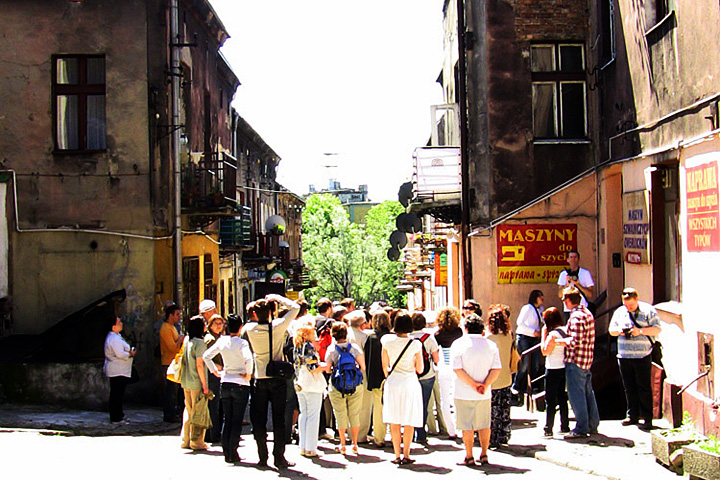
Wkrótce Brama rozpoczęła jeden ze swoich najważniejszych projektów: „Hurtownia manufaktury” – szlak turystyczny upamiętniający przedsiębiorstwa działające w okresie międzywojennym na terenie trzech miast Zagłębia Dąbrowskiego: Będzinie, Sosnowcu i Dąbrowie Górniczej. – Przygotowaliśmy tabliczki z nazwami przedsiębiorstw i zawiesiliśmy je na kamienicach, w których przed wojną znajdował się dany sklep lub zakład. Do tego wydrukowaliśmy mapy i uruchomiliśmy stronę internetową. Część tablic została odtworzona ściśle według oryginałów, przy innych odnosiliśmy się do wzornictwa tamtego okresu. Zafundowaliśmy mieszkańcom podróż sentymentalną.
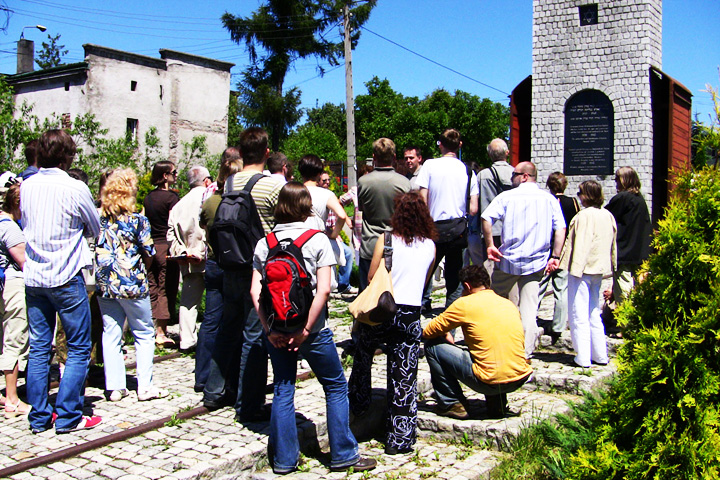
Gdy tabliczki zawisły w centrach miast, fundacja zaczęła realizować swój kolejny projekt: „Opowieści nieobecnych”. – Tworzymy audioprzewodniki po miejscach związanych z dziedzictwem żydowskim w miastach województwa śląskiego. Uruchomiliśmy stronę internetową, skąd można pobrać przewodnik w formacie mp3 i samemu zwiedzać ze słuchawkami w uszach. Teksty napisali nam zawodowi historycy, o oprawę muzyczną poprosiliśmy gitarzystę Raphaela Rogińskiego. Audioprzewodnikom towarzyszy drukowana mapa, na której zaznaczone są opisywane miejsca – wyjaśnia Karolina Jakoweńko.
W siedzibie fundacji, na pierwszym piętrze, co chwila dzwoni telefon, na parterze wnuk ostatniego właściciela lokalu otworzył kawiarnię, żeby zwiedzający mogli przez chwilę poczuć klimat przedwojennego miasta. Kamienica Żyda Cukermana po 70 latach znowu tętni życiem.
Tales of the Absent
Anyone walking the streets of Będzin might have the impression that time stands still. Booths, the symbolic tabernacles that pious Jews erect for the Sukkot feast, are still attached to the walls of the old apartment buildings. At every step you come upon the vestiges of mezzuzahs in the door frames, and the shape of the menorah is composed into the balcony balustrades.
Będzin was once called the Jerusalem of the Dąbrowa Basin. “Before the war, Będzin was the third largest Jewish agglomeration in southern Poland,” says Karolina Jakoweńko, who guides people around Silesia and chairs the Cukerman Gate Foundation. There were sixty thousand Jews in Cracow, forty thousand in Lublin, and almost thirty thousand in the small city of Będzin—almost half the population. About a thousand came back after the war, but they soon began emigrating, and after March 1968 there was no one left.
All traces of the synagogue that the Germans burned down in September 1939 have vanished; no one knew anything about the eighty prayer houses that functioned in Będzin before the war. The Pinkas Bendin, the memorial book of the Będzin Jews compiled in Israel in the fifties, mentions that there was not a tzaddik in Poland who did not have his prayer house in Będzin. Not until 2004 did Adam Szydłowski, chairman of the Basin Jewish Culture Center, discover the first of these prayer houses in the basement coal cellar of an apartment house. Wall paintings and a fresco by the Będzin painter Altek Winer survived in good condition in the Mizrachi synagogue, along with a full cycle of Zodiac signs. Unfortunately, opening up the prayer house to visitors led to the deterioration of the paintings and conservation work has been going on at the synagogue for several years.
Karolina Jakoweńko came calling at city hall three years after the first big discovery. “I come from Będzin and grew up here, and I wanted to do something for the city. I was dreaming of a Jewish culture festival. They turned me down, but offered to let me rent a private prayer house. I couldn’t believe it! My friends and I came here immediately and, although it wasn’t easy, we talked the 96-year-old owner of the building into letting us assume responsibility for the place.”
The premises in the building at Kołłataja street 24 are called the Cukerman Gate after the prewar owner. For sixty years they had been an ordinary apartment. In 2007, high-school students volunteered to remove a layer of green paint covering color frescoes from the 1930s. At that point, Jakoweńko realized that the paintings required professional conservation. In 2009, she and her husband Piotr founded the Cukerman Gate Foundation for the purpose of preserving the newly discovered prayer house and promoting knowledge about the Jewish past of Będzin. Two enthusiasts about that past joined them: Jakub Lubomski, who had stripped the prayer-house walls when he was in high school, and Grzegorz Onyszko, a historian.
“The most important thing was renovating the wall paintings,” Jakoweńko explains. “Once we managed to preserve them, the Cukerman Gate became our foundation headquarters and a place for meetings, open to visitors. We decided to concentrate on educational work promoting the prayer house and the Jewish heritage in the area. We began collecting first-hand accounts about Jewish Będzin, because we knew they would be gone in a moment. That was the beginning of our library of oral histories, which we call Witnesses to History.”
From the start, the Cukerman Gate wanted to reach out into the city space. On May 30, 2009, it organized a Night with Sugar (the “Cuker” in Cukerman is close to “cukier,” the Polish word for sugar). “All our events have ‘sugar’ in them,” says the foundation chairwoman. Kołłątaja street was turned into a boardwalk that evening with tables set up and tea served. The people who attended could watch a film about prewar Będzin, listen to old songs to the accompaniment of an accordion, and dance. This was the way the foundation wanted to introduce itself to the residents of Będzin.
The Gate soon began one of its most important projects, the Retail Factory, a tourist route commemorating businesses that operated during the interwar period in Będzin, Sosnowiec, and Dąbrowa Górnicza, the three cities that make up the Dąbrowa Basin. “We made little signs with the names of businesses and hung them on the buildings where the various stores or workshops were located before the war. Additionally, we printed maps and put our website on line. Some of the signs were exact reproductions of the originals, and for others we used period design elements. We offered the residents a sentimental journey.
With the signs hanging in the town centers, the foundation began carrying out its next project: Tales of the Absent. “We created an audio guide around the places connected with the Jewish heritage in the cities of the Silesia voivodship. We went live with a website where the guide could be downloaded in mp3 format by people who toured on their own with headphones. Professional historians wrote the texts for us, and we asked the guitarist Raphael Rogiński to provide the musical accompaniment. The locations described were marked on a printed map that supplemented the audio guide,” explains Jakoweńko.
At foundation headquarters on the second floor, the phone keeps ringing; on the ground floor, the uncle of the last owner has opened a cafe so that visitors can soak up the climate of the prewar city for at least a moment. Seventy years on, the building that belonged to the Jew Cukerman is again pulsing with life.