
Jesziwa na plebanii?
W lewym górnym rogu wizytówki ks. Adama Prozorowskiego, proboszcza parafii Wszystkich Świętych w Tarnowie Podgórnym pod Poznaniem, widnieje gwiazda Dawida, w którą wpisany jest krzyż. Dlaczego taki znak? – To oczywiste – mówi ks. Adam, a właściwie prezbiter Adam, jak sam siebie nazywa. – Izrael to przecież naród wybrany przez samego Boga. Z tego narodu wywodzi się Chrystus – krzyż i gwiazda Dawida to znaki bardzo ważne dla chrześcijan i dla Żydów. Gwiazda jest symbolem Izraela, a krzyż symbolem Jezusa Chrystusa. Krzyż wpisany w gwiazdę Dawida symbolizuje Mesjasza Jezusa, który był Żydem. Dla mnie oba znaki – połączone w jedno – stały się drogie właśnie dzięki Chrystusowi i… mojej babci.
Wszystko zaczęło się w dzieciństwie ks. Adama w jego rodzinnej miejscowości – Lesznie. – Kiedy byłem małym chłopcem – wspomina – najczęściej do kościoła chodziłem z babcią. Szliśmy zawsze tą samą drogą, wiodła ona koło tajemniczego budynku, który babcia nazywała „bóżnicą”. Czasem, wskazując na bóżnicę, babcia dodawała: „Dobrzy ludzie tu byli”.
Słowa babci rozbudzały dziecięcą wyobraźnię małego Adama, bardzo chciał wejść do środka, budynek był jednak zawsze zamknięty, a przez dziurkę od klucza niczego nie można było dostrzec. Pewnego dnia zobaczył, że drzwi bóżnicy są otwarte. – Pamiętam, jak biegłem podekscytowany i jak wielkie było moje rozczarowanie, kiedy okazało się, że wewnątrz bóżnicy składowane są... meble – wspomina ks. Adam. Komuniści zamienili dom modlitwy na magazyn meblowy.
– Odkrywanie mojego własnego, jako chrześcijanina, związku z bóżnicą i ludźmi, którzy się w niej modlili, zawdzięczam Biblii. Jako młody człowiek związałem się ze wspólnotą Światło–Życie. To właśnie tam dokonało się moje osobiste spotkanie z Jezusem, tam też ma początek moja fascynacja Bożym Słowem. A ono krok po kroku odkrywało przede mną, jak wiele zawdzięczamy Żydom – że przekazali nam Torę i inne Pisma, że z nich wyszedł Jezus, apostołowie i pierwszy Kościół. Te dary Boga dla ludzi przyszły do nas przez Izraelitów!
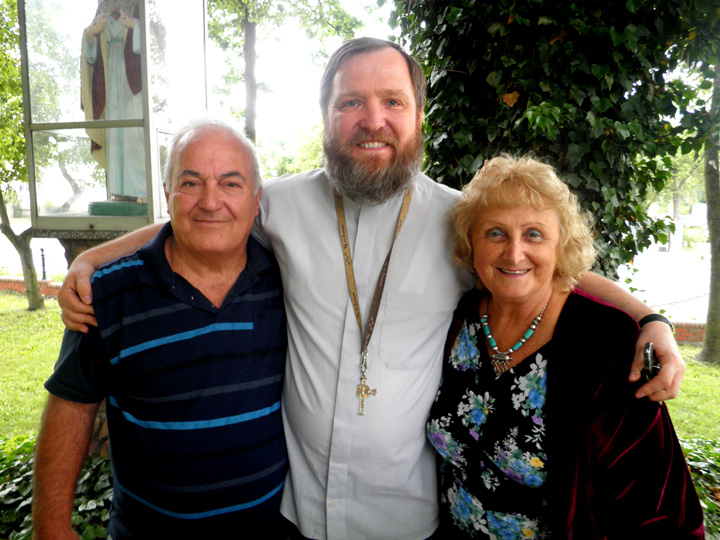
Ks. Adam rozmawia o tym z uczestnikami szkoły biblijnej, którą prowadzi, swoimi parafianami, ale też z licznymi żydowskimi przyjaciółmi, których gości na plebanii i odwiedza – często właśnie z parafianami i uczestnikami szkoły biblijnej – w Ziemi Świętej. – Tego rodzaju spotkania człowieka z człowiekiem mają wielki sens, pokazują, że inność nie jest niebezpieczna, ale wzbogacająca. Pozwalają też odkrywać wspólne korzenie wiary – mówi.
– Przygotowując się do kapłaństwa – opowiada ks. Adam – wiedziałem, że ważnym elementem mojej posługi będzie budowanie więzi pojedynczego człowieka z Pismem Świętym. Już wtedy planowałem, żeby przy każdej parafii, w której będę posługiwał, stworzyć szkołę biblijną, tak jak to jest przy wielu zborach protestanckich.
Z myślą o realizacji tych planów ks. Prozorowski gromadził i czytał książki z dziedziny biblistyki, a także te dotyczące historii i tradycji Żydów. – Staram się kupować wszystko, co się w Polsce na tematy żydowskie ukazuje – mówi, pokazując swoją obszerną bibliotekę.
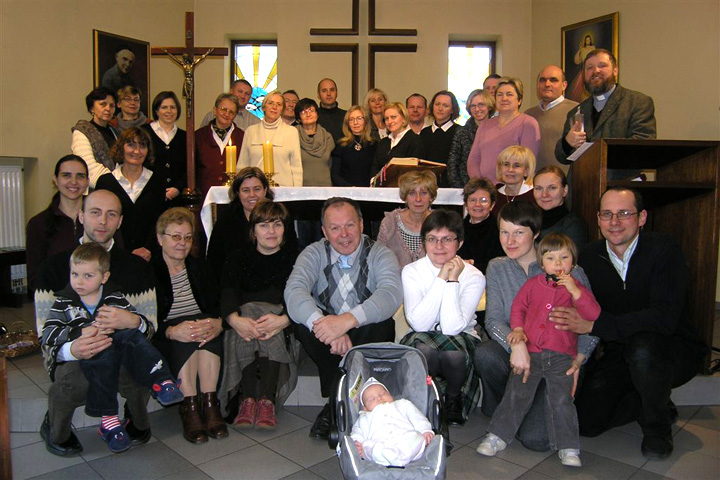
Szkoła biblijna gromadzi osoby, które chcą studiować Pismo Święte. Oprócz osobistego i wspólnego studium Biblii uczestnicy przez rok zgłębiają jedną księgę – przewidziane są wykłady wprowadzające w historię zbawienia, objaśniające kontekst historyczny i kulturowy czasów starotestamentowych i tych, w których żył i nauczał Jezus. Szkoła biblijna, której spotkania odbywają się obecnie na plebanii w Tarnowie Podgórnym, gromadzi obecnie ok. 40 osób. Pochodzą one nie tylko z parafii ks. Prozorowskiego, ale też z innych miejsc, część dojeżdża z Poznania. Najmłodsi to osoby tuż po studiach, najstarsi przekroczyli osiemdziesiąty rok życia. Jedna z najstarszych uczestniczek mówi: – Całe życie się modliłam, żeby ktoś mi Pismo zaczął wyjaśniać.
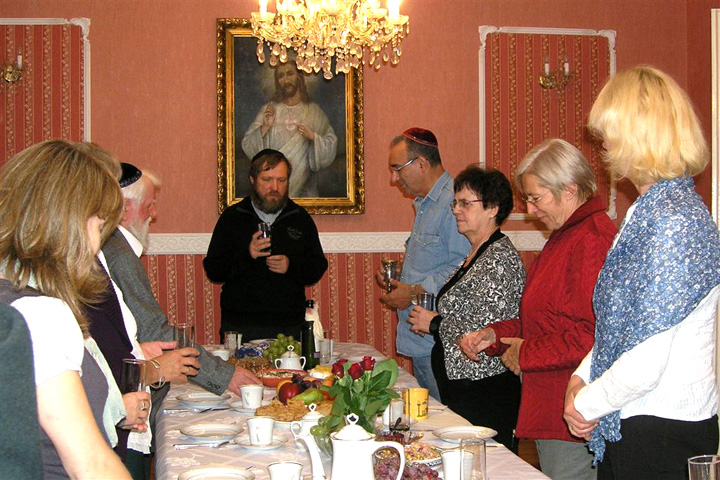
Szkoła działa na trzech poziomach zaawansowania. Każdy z nich ma swoją tematykę wykładów, zaś wszyscy uczestnicy spotykają się na wspólnej lekturze księgi. Siadają wokół długiego, solidnego stołu w jadalni na plebanii i czytają, dyskutują – bywa gwarno jak w jesziwie. Nie tylko zresztą podczas zajęć szkoły biblijnej, na plebanii odbywa się także wiele innych spotkań. – Chcę, żeby moi parafianie traktowali i kościół, i plebanię jak dom – mówi ks. Adam. – A celem szkoły biblijnej jest to, żeby włączyć Biblię w swoje doświadczenie wiary, mieć świadomość, że w niej sam Bóg mówi do mnie osobiście.
Ks. Adam wspomina, jak na czwartym roku seminarium mocno poruszyły go słowa z dwunastego rozdziału Księgi Rodzaju, którymi Bóg zwracał się do Abrahama: „Będę błogosławił tym, którzy ciebie błogosławić będą, / a tym, którzy tobie będą złorzeczyli, i ja będę złorzeczył”. Bardziej niż on uczeni stwierdzili, że ta Boża obietnica błogosławieństwa i przekleństwa nadal obowiązuje.
– Od tego momentu – mówi – zrozumiałem, że zostałem wezwany do modlitwy za Izrael i za wszystkich Żydów. I do tego, żeby modlić się o największy dar dla Żydów, jakim jest wypełnianie micwot zapisanych w Torze, a także o ich osobiste spotkanie z Mesjaszem. Nieco później pojawiła się potrzeba modlitwy za państwo Izrael – o bezpieczne granice, o pokój dla Jerozolimy, żeby Jerozolima została stolicą Izraela. O to modlę się nie tylko sam, ale też z moimi parafianami i uczestnikami szkoły biblijnej, również modlitwą Jana Pawła II. To nic szczególnego – do tego zachęcają dokumenty Kościoła. Obchodzony w Kościele katolickim Dzień Judaizmu w naszej parafii przeżywamy według wytycznych Konferencji Episkopatu. Drobną innowację wprowadziliśmy, kiedy dzień ten wypadł w niedzielę. Wtedy pierwsze czytanie zostało odczytane w języku hebrajskim. To ważne, żeby ludzie usłyszeli ten język w swojej świątyni, tak jak słyszał go w jerozolimskiej świątyni i w synagogach Jezus. On sam mówił po aramejsku, ale w synagodze w czasie nabożeństwa teksty były czytane w świętym języku, czyli po hebrajsku.
Pozdrowienie, którego ks. Adam często używa w codziennym życiu i na stronie internetowej parafii, to żydowskie słowo: szalom. Dlaczego tak? – Bo to pierwsze słowo, którego Chrystus użył po zmartwychwstaniu, witając swoich przestraszonych, zamkniętych w sali na górze uczniów – wyjaśnia ks. Prozorowski.
A Yeshiva in the Rectory?
In the upper left corner of Father Adam Prozorowski’s business card is a Star of David with an inset cross. Why does the parish priest of All Saints’ in Tarnowo Podgórne near Poznań employ such a symbol? “It’s obvious,” says Father Adam, or rather Presbyter Adam, as he prefers to be known. “Israel is the nation chosen by God Himself. Christ sprang from that people. The cross and the Star of David are very important signs for Christians and for Jews. The star is the symbol of Israel and the cross is the symbol of Jesus Christ. The cross inscribed in the Star of David symbolizes Jesus the Messiah, who was a Jew. For me the two symbols—combined into one—have become a road of my own thanks to Christ—and to my grandmother.”
It all began in Prozorowski’s hometown, Leszno, when he was a child. “When I was a little boy,” he recalls, “I usually went to church with my grandmother. We always walked the same route, which led past a mysterious building that my grandmother called ‘the prayer house.’ Sometimes she would point at it and add, ‘There were good people here.’”
His grandmother’s words spurred little Adam’s imagination and he longed to go inside, but the building was always locked up and he couldn’t see anything when he peered through the keyhole. One day, he saw that the door of the prayer house was open. “I remember how excited I was as I ran there and what a disenchantment it was to see that the inside of the prayer house was used for storing furniture,” he says. The communists had converted the prayer house into a furniture warehouse.
“I owe it to the Bible that I discovered my own connection, as a Christian, to the prayer house and the people who prayed there. As a young man, I joined the Light—Life community. That was where I personally found Jesus, and that was also the beginning of my fascination with the Word of God, which showed me step by step how grateful we should be to the Jews for passing on the Torah and other Scripture to us, and for the fact that Jesus, the Apostles, and the first Church came from them. These gifts to humanity from God came to us through Israel!”
Father Adam talks about this with participants in the Bible school he holds for his parishioners, and also with the many Jewish friends who come to see him at the presbytery, or whom he visits, often together with his parishioners and the participants in the Bible school, in the Holy Land. “That kind of meeting between people makes a lot of sense and shows that otherness is not a danger, but rather a source of enrichment. It also makes it possible to discover the shared roots of faith,” he says.
“When preparing for the priesthood,” says Father Adam, “I knew that building bonds between the individual person and Holy Scripture would be an important part of my service. I was already planning back then that I would set up a Bible school at every parish where I served, as it is in many protestant denominations.”
With these plans in mind, Prozorowski collected and studied books on the Bible, and also on Jewish history and traditions. “I tried to buy everything published in Poland on Jewish themes,” he says, showing his extensive library.
The Bible school attracts people who want to learn about Holy Scripture. Aside from studying the Bible individually and in groups—the participants spend a year immersing themselves in a single book—there are also introductory lectures on the history of salvation and elucidating the historical and cultural contexts of the Old Testament era and the times in which Jesus lived and taught. The Bible school, which meets at the presbytery in Tarnowo Podgórne, now has about forty students who come not only from Prozorowski’s parish but also from other localities, sometimes as far away as Poznań. The youngest of them are already university graduates, and the oldest are over eighty. One of the oldest students said, “I prayed my whole life long that someone would begin to explain Scripture to me.”
The school has three levels. Each has its own lecture curriculum, but students from all three levels come together to read Scripture. They sit around the long, solid table in the presbytery dining room to read and discuss—it can be as buzzing as a Yeshiva, and not only during Bible school sessions. There are many other meetings at the presbytery. “I want my parishioners to treat both the church and the presbytery as home,” says Father Adam. “And the aim of the Bible school is to integrate the Bible into their experience of faith, to be conscious that it is where God speaks personally to us.”
Father Adam recalls how deeply moved he was, in his fourth year at seminary, by the words with which God addresses Abraham in the twelfth chapter of Genesis: “I will bless those who bless you, and whoever curses you I will curse.” Those who were more learned than he stated that God’s promise of blessing and cursing is still in force.
“From that moment,” he says, “I understood that I am called to pray for Israel and for all Jews. And also to pray for the greatest of gifts for the Jews, which is the fulfillment of the mitzvot written in the Torah and also for their individual encounter with the Messiah. Somewhat later came the need to pray for the state of Israel—for secure borders, for peace in Jerusalem, and for Jerusalem to become the capital of Israel. I do not pray for this alone, but with my parishioners and the students at the Bible school, and we also pray the prayer of John Paul II. This is nothing special—Church documents encourage it. We celebrate the Catholic Church’s Judaism Day in our parish according to the guidelines from the Bishops’ Conference. We have introduced a small innovation. When the day falls on a Sunday, the first reading is in Hebrew. It’s important for people to hear that language in their place of worship just as Jesus heard it in the Temple at Jerusalem and in the synagogues. He spoke Aramaic himself, but during worship in the synagogue the text was read in the sacred language, Hebrew.”
The greeting that Father Adam often uses in everyday life and on the parish website is the Jewish word “shalom.” Why? “Because it’s the first word that Christ used after His resurrection when he greeted his awestruck disciples who were closed in the upper room,” explains Prozorowski.