

Zamiast dziury w murze
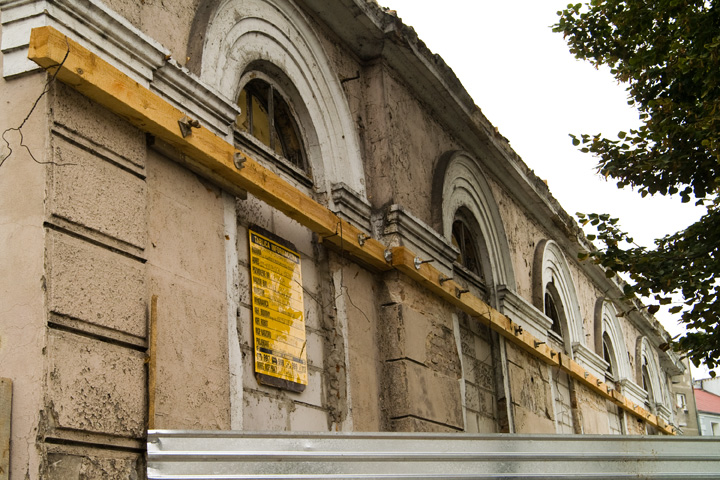
− Co będzie pan tam wystawiał? Włos z głowy rabina? − pytano z ironicznym uśmiechem, kiedy Roman Góralski opowiadał o swoim pomyśle, aby w byłej synagodze w Płocku stworzyć Muzeum Żydów Mazowieckich. Budynek przy ul. Kwiatka 7 straszył − dwustuletnie ściany zaczynały kruszeć, pokryły się przebarwieniami, w środku pomieszkiwali bezdomni. Żydowska gmina wyznaniowa, która odzyskała synagogę w 1997 r., odsprzedała ją miastu, nie będąc w stanie utrzymać obiektu. Pojawiały się różne pomysły na jego zagospodarowanie, m.in. plan, by umieścić tam galerię sztuki.
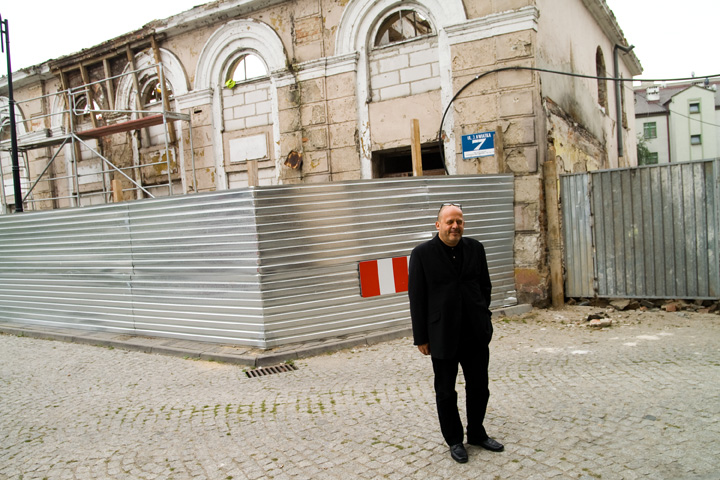
− Od początku przekonywałem, że powinno się tam znaleźć muzeum, i to poświęcone nie wszystkim płocczanom, ale właśnie Żydom − mówi Roman Góralski, były redaktor naczelny „Gazety Wyborczej − Płock”. − Mamy w Płocku miejsca poświęcone polskiej martyrologii, m.in. plac 13 Straconych, ale nic nie upamiętnia 10 tys. Żydów, którzy mieszkali tu przed wojną, a później zostali zamknięci w getcie i wywiezieni do obozu. Nie ma materialnego śladu ich obecności. Widziałem kiedyś wycieczkę żydowską, która z przewodnikiem oglądała jakąś dziurę w murze, bo nic innego nie ma do pokazywania. Jakie wspomnienia Żydzi wyniosą z wizyty w Polsce, jeśli zobaczą Auschwitz, a potem Płock, gdzie po ich historii nie ma śladu?
Rozmowa z przedstawicielami kultury w tej sprawie okazała się chybionym pomysłem. − Spotkałem się z zupełnym niezrozumieniem – wspomina Roman Góralski. Później swój projekt zaczął przedstawiać osobom, które znał z wrażliwości i szerokiego spojrzenia na rzeczywistość − ludziom o duszy społeczników. Dzięki tym kontaktom i rozmowom w 2004 r. powstało Stowarzyszenie Synagoga Płocka stawiające sobie za cel wyremontowanie byłej synagogi i stworzenie w niej muzeum. Wśród członków-założycieli znaleźli się m.in. Zofia Celińska odznaczona medalem „Sprawiedliwy wśród narodów świata”, prof. Andrzej Zieliński, ks. prof. Ireneusz Mroczkowski i Konrad Jaskóła ¬− prezes spółki Polimex-Mostostal, który został wiceprezesem Stowarzyszenia. − Na Zachodzie sprzedaje się kościoły i tworzy w nich hotele czy księgarnie − mówi ks. Mroczkowski. − To przykre dla ludzi wiary. Podobnie bolałoby mnie, gdyby bożnica była wykorzystana np. jako sklep. Wprawdzie gdy powstanie w niej muzeum, nie będzie ona spełniała funkcji sakralnej, ale stanie się izbą pamięci o kilku tysiącach naszych braci.
W 2006 r. miasto przekazało Stowarzyszeniu budynek w dzierżawę. Dopiero jednak od momentu, kiedy stał się on własnością Stowarzyszenia, starania o uzyskanie dofinansowania unijnego stały się realne i ostatecznie zakończyły się sukcesem. Po Romanie Góralskim funkcję prezesa zaczął pełnić Jerzy Janiak, prezes zarządu firmy Naftoremont. − To, że w Stowarzyszeniu znaleźli się profesjonaliści związani z branżą budowlaną, a jednocześnie głęboko rozumiejący ideę stworzenia muzeum, wiele ułatwiło − podkreśla Roman Góralski. − Procedury, przez jakie musieliśmy przejść, aby uzyskać pieniądze i nareszcie móc przystąpić do remontu, są tak skomplikowane, że bez tych osób pewnie by się nie udało.
Przy tworzeniu programu edukacyjnego Stowarzyszenie ma wesprzeć Fundacja Ochrony Dziedzictwa Żydowskiego. Podpisano także umowę o współpracy z muzeami, które w swoich zbiorach mają judaika, a ograniczona przestrzeń nie pozwala na ich zaprezentowanie zwiedzającym. Projekt wnętrza Muzeum Żydów Mazowieckich przewiduje w nim zarówno sale na ekspozycje, jak też na wykłady i dyskusje. − Zależy mi na tym, aby nie było to tylko miejsce upamiętnienia, ale także dialogu − zaznacza Roman Góralski. − Nie chciałbym, żeby skończyło się na obejrzeniu więziennego pasiaka i zwoju Tory. Mam nadzieję, że muzeum stanie się znakiem rozpoznawczym Płocka jako miasta tolerancji.
Choć muzeum nie zaczęło jeszcze działać, Stowarzyszenie od momentu swego powstania stara się przypominać o obecności Żydów w Płocku. Z jego inicjatywy odbył się Tydzień Kultury Żydowskiej oraz pierwszy po wojnie szabat, a 1 marca 2011 r. wspólnie z „Gazetą Wyborczą” Stowarzyszenie zorganizowało Marsz Pamięci z okazji obchodów 70. rocznicy likwidacji płockiego getta. Miasto przygotowało na ten dzień sympozjum naukowe poświęcone historii Żydów na Mazowszu. Planowano, że jego uczestnicy pójdą na kirkut. − Takie spędzanie ludzi na uroczystości przypominałoby mi obchody 1 Maja − mówi Roman Góralski. − Podkreślałem, żeby na Marsz przyszli ci, którzy chcą. Przyznam szczerze, że na kwadrans przed jego rozpoczęciem byłem jednak mocno przerażony, bo do tego czasu zjawiło się tylko pięć osób − dodaje z uśmiechem. Ostatecznie pod synagogą na ul. Kwiatka, gdzie rozpoczynał się Marsz, zjawiło się ich ponad sto.
Instead of a Hole in the Wall
“What are you going to show there? A hair from the rabbi’s head?” someone asked with a smirk when Roman Góralski was talking about his project for creating a Museum of the Mazovian Jews at the old synagogue in Płock. The building at Kwiatka street 7 was a fright—the two-hundred-year-old walls were discolored and starting to crumble, and homeless people were living inside. The Jewish religious community recovered the synagogue in 1997 but was unable to pay for its upkeep and sold it to the city. There were various ideas about what to do with it, including a plan to locate an art gallery there.
“From the beginning I advocated having a Museum there, one devoted not to all the people of Płock, but specifically to the Jews,” says Góralski, the former managing editor of the Gazeta Wyborcza Płock edition. “We have places in Płock dedicated to Polish martyrdom, such as the Thirteen Victims Square, but nothing to commemorate the ten thousand Jews who lived here before the war and were later confined to the ghetto and deported to the camp. There is no material vestige of their presence. I once saw a Jewish excursion group with a guide examining some sort of hole in a wall because there was nothing else for them to see. What kind of memories do Jews take away from their visit to Poland if they see Auschwitz and then Płock, where there is not a trace of their history?”
Talks on the issue with cultural figures went nowhere. “I encountered a complete lack of understanding,” recalls Góralski. “Afterward, I began pitching my project to people who were known for their sensitivity and broad outlook on reality—civic-minded people.” Thanks to these contacts and discussions, the Płock Synagogue Association was founded in 2004 with the goal of renovating the old synagogue and establishing a museum there. Among the founding members were Zofia Celińska who holds the Righteous among the Nations of the World medal, Professor Andrzej Zieliński, Rev. Professor Ireneusz Mroczkowski, and Konrad Jaskóła, CEO of the Polimex-Mostostal corporation, who became deputy director of the Association. “In the West, churches are sold and turned into hotels or bookshops,” says Rev. Mroczkowski. “This is an unpleasant matter for people of faith. It would pain me in a similar way if the synagogue were used, for example, as a shop. It will indeed no longer have any sacral function once it is turned into a museum, but it will become a memorial to several thousand of our brethren.”
In 2006, the city leased the building to the Association. Only when the Foundation purchased it, however, did efforts to obtain European Union funding become realistic and ultimately successful. Jerzy Janiak, chairman of the board of the Naftremont corporation, succeeded Roman Góralski as chairman of the Association. “The fact that there were professionals connected with construction in the Association, who at the same time had a deep understanding of the idea of creating the museum, made things easier,” says Góralski. “The procedures that we had to go through to obtain funding and finally to begin the renovation are so complicated that we could never have done it without these people.”
The Foundation for the Preservation of the Jewish Heritage will support the Association in developing its educational program. Cooperative agreements have also been signed with museums that hold Judaica items they cannot display because of space limitations. The design for the interior of the Museum of the Mazovian Jews envisions exhibition space as well as rooms for lectures and discussions. “It’s important to me for this to be a place not only for commemoration but also for dialogue,” says Góralski. “I don’t want this to come down to looking at a striped prison uniform and Torah scrolls. I hope that the museum will become an identifying sign for Płock as a city of tolerance.”
Although the museum has not yet opened, the Association has been trying since its founding to recall the presence of the Jews in Płock. It is behind Jewish Culture Week and the first Sabbath observance since the war. On March 1, 2011, the Association and Gazeta Wyborcza organized a Memorial March on the occasion of the seventieth anniversary of the liquidation of the Płock ghetto. On that same day the city held a scholarly symposium on the history of the Jews in Mazovia. The plans called for the participants to walk to the Jewish cemetery. “Herding people at a ceremony that way reminded me of Mayday parades in Communist times,” says Góralski. “I stressed that only people who wanted to march should come along. I must admit that I was terrified a quarter of an hour before the start because only five people had showed up at that point,” he smiles. In the event, more than a hundred people gathered at the synagogue on Kwiatka street, where the march set out.